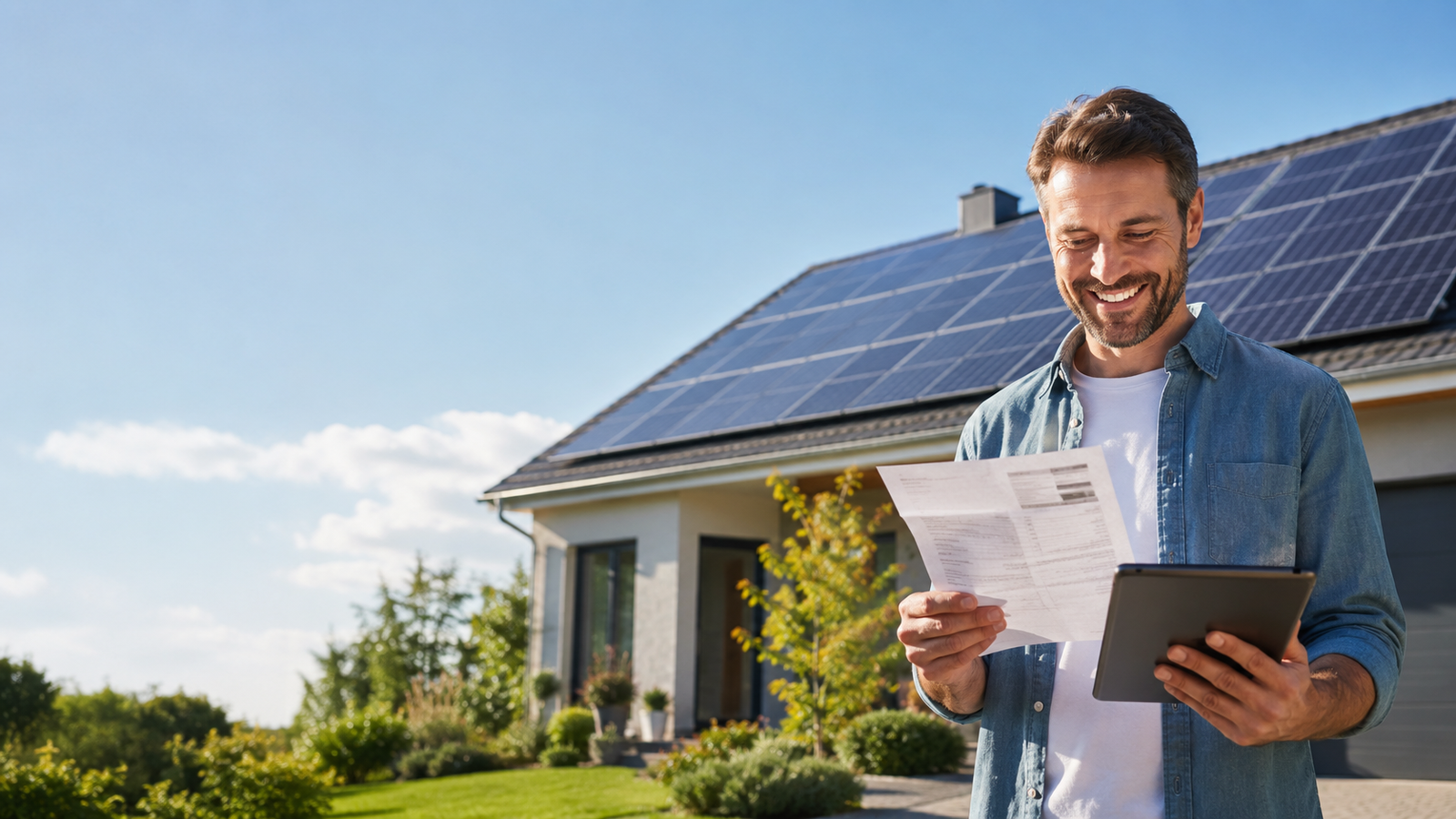
Like a lot of people, I didn't think much about my electric bill until I actually sat down and compared it to what my neighbors were paying. A few of them had recently added rooftop panels, and casually mentioned that their monthly costs looked different than they used to. That single conversation sent me down a rabbit hole I honestly didn't expect.
What surprised me most was how little I understood about how residential solar actually works — and how much of what I thought I knew was outdated. I'd assumed it was only for brand-new luxury homes, or that the whole process was complicated and expensive. So I started doing what any curious homeowner does: I began researching, reading, and comparing.
Along the way I kept running into the same message from people who had already made the switch. It wasn't that solar was a magic solution, or that everyone qualifies, or that it works the same everywhere. It was simpler than that: many homeowners had never bothered to check whether their specific home and location might be a good candidate — and a growing number of programs now make that first step easier than it used to be.
It Started With A Simple Question
The question that stuck with me was this: could my roof even support solar in the first place? Roof direction, shade, local utility rates, and the size of a household's energy use all play a role. There's no one-size-fits-all answer, and anyone who promises guaranteed results before looking at your specific situation is worth being cautious about.
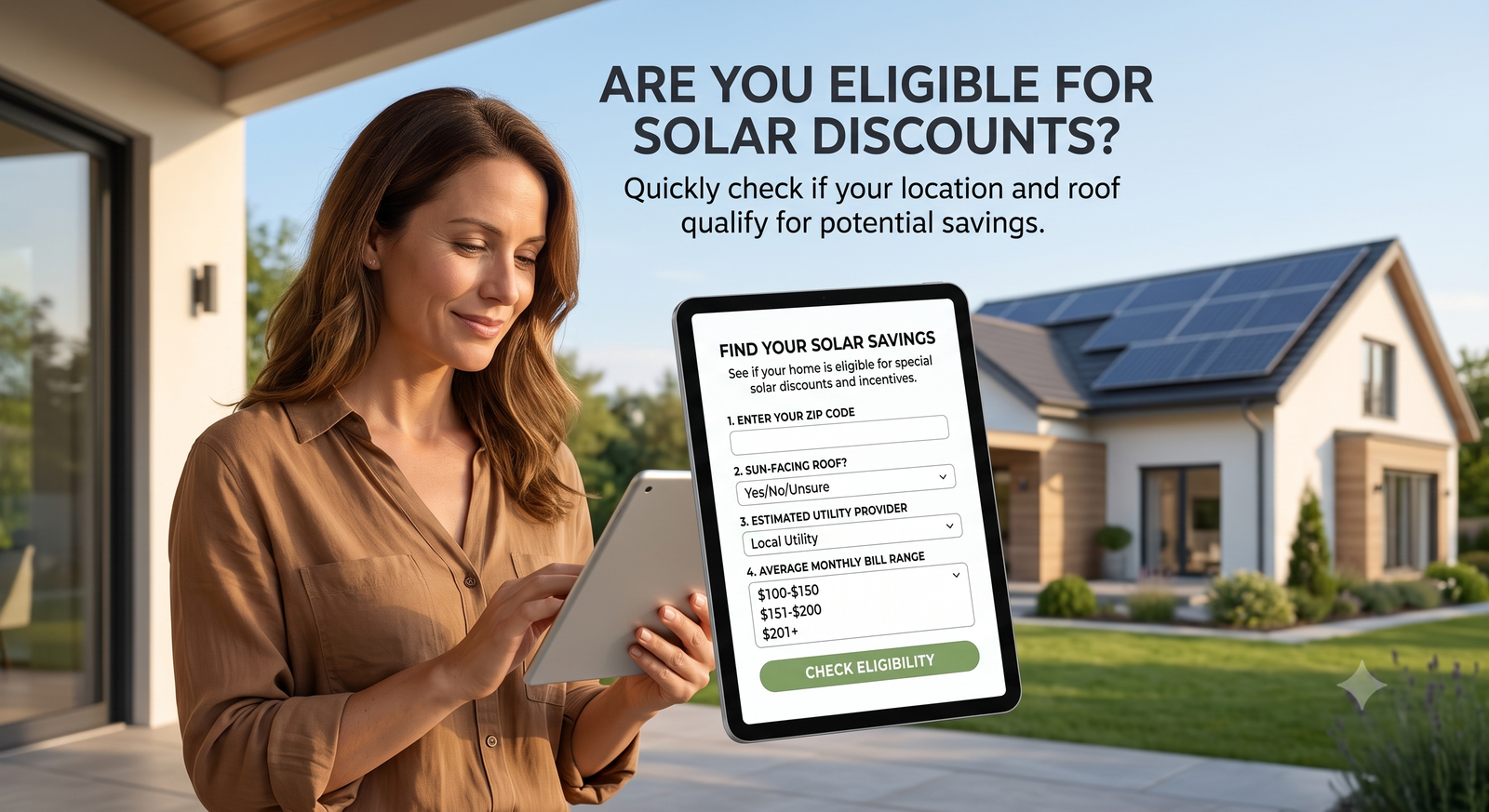
That's where the checking part comes in. Rather than committing to anything, a lot of homeowners are simply entering their ZIP code and a few basic details to see whether their address may qualify for available savings programs in their area. It's a starting point — not a contract, and not a promise.